Key Takeaways
- Functional fitness mirrors the movements you already make every day, from standing up to reaching a top shelf.
- Functional exercises work on strength, balance, coordination, and range of motion.
- Balance and carrying skills can support everyday movement and independence.
- Consistency matters more than intensity, and rest days count too.
What Functional Fitness Means for Everyday Movement
Everyday activities involve more movement than you might realize. From getting up from a chair to reaching for something on a shelf or carrying groceries, these simple actions rely on strength, balance, coordination, and range of motion.
These movements use your muscles, balance, coordination, and range of motion. Functional fitness focuses on exercises that reflect these activities, helping you practice movements such as squatting, lifting, reaching, twisting, and stepping.
Unlike exercises that isolate a single muscle group, functional fitness often combines several movements and muscle groups in one exercise. The goal is to build strength and movement that relate to everyday activities. Turning these everyday movements into healthy habits is the perfect activity to do during National Senior Health and Fitness Day on October 28th.
Why Functional Fitness Matters as You Age
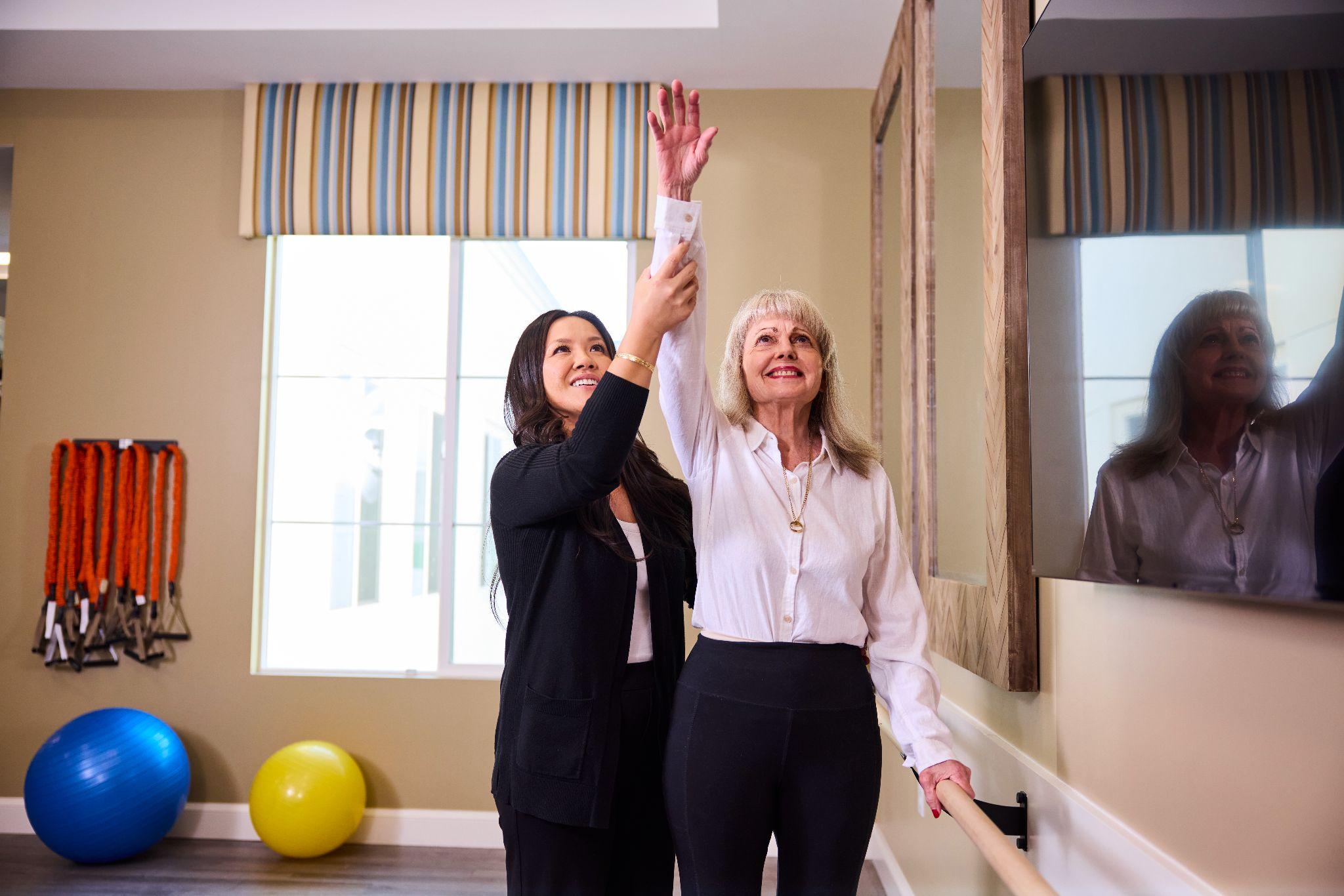
Traditional workouts often focus on one muscle at a time. Functional movement takes a practical approach. It uses exercises that reflect everyday activities and engage multiple muscle groups, while working on strength, balance, and range of motion to help reduce the risk of falls and injuries.
The benefits can show up in daily activities. Getting out of a low chair feels smoother. Carrying laundry upstairs takes less effort. That kind of ease connects directly to independence and the confidence that comes with it.
Balance & Steadiness
Uneven sidewalks, sloped garden paths, and curled rug edges can challenge your balance. Balance exercises give you opportunities to practice staying steady as you move across different surfaces.
Coordination also supports your overall wellness. When your feet, hips, and core work together, you can move with greater coordination and confidence throughout your day.
Daily Tasks Made Simpler
Think about what your week involves. You might carry groceries, lift a laundry basket, climb a flight of stairs, or spend an afternoon in the garden. Each activity brings together movements such as lifting, carrying, reaching, and maintaining balance.
Functional training also incorporates reaching and lifting movements. Practicing these motions can help you move through everyday activities with greater ease.
5 Functional Fitness Exercises to Try
Functional fitness can be as simple as practicing movements you already use throughout the day. Here are five exercises that work different aspects of everyday movement.
1. Chair Squats
Stand in front of a sturdy chair with your feet about hip-width apart. Lower yourself toward the seat, then stand back up with control. This exercise practices the movement involved in getting up from a chair or couch.
2. Overhead Presses
Hold a light weight in each hand at shoulder height. Press the weights overhead, then lower them back down with control. This movement works the muscles involved in reaching for items on higher shelves.
3. High-Knee Balance
Stand near a counter or another stable surface for support. Lift one knee toward your waist, pause briefly, then lower it and switch sides. This exercise works balance and leg control, which are useful when walking and changing direction.
4. Farmer’s Walks
Hold a light weight in each hand and walk a short distance at a comfortable pace. Keep your posture upright as you move. This exercise works your grip, core, and posture for carrying everyday items.
5. Step-Ups
Step onto a low, stable surface with one foot, bring the other foot up, then step back down. Switch sides and repeat. This exercise practices the controlled stepping motion used with stairs and curbs.
Simple Equipment Options
You don’t need a gym membership to get started. A few exercise equipment basics cover nearly everything on this list.
- Light hand weights
- Resistance bands
- A sturdy chair without wheels
- Filled water bottles
How to Start Safely & Stay Consistent
Choose a movement that feels useful to practice. If standing up from a chair feels challenging, start there and build gradually.
A few short sessions each week can be a practical way to stay active. Even 10 or 15 minutes counts. If something hurts, ease back and try a low-impact version instead of pushing through.
How Much Movement Fits Your Day
Daily walking at a comfortable pace fits into almost any schedule. A loop around the block after breakfast, a stroll before dinner, or a longer walk when the weather is nice ca all add up.
Rest days are part of the plan. Recovery gives your body time to adapt to exercise, making quiet afternoons just as valuable as active ones.
Fitness & Community Life
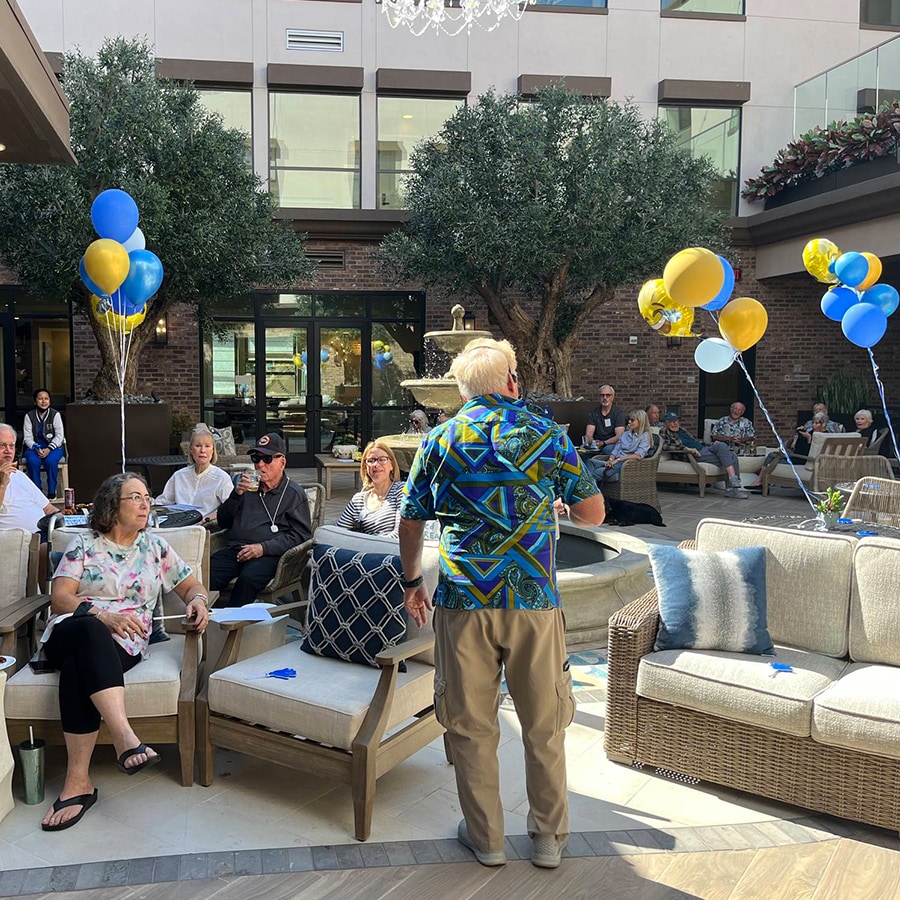
Movement is easier when it comes with company. Group classes in senior living communities turn a workout into a conversation.
Wellness options in assisted living and memory care can be adapted to different abilities and preferences. Whether that’s a seated strength class, gentle yoga, or a walking group, there’s usually a version that fits how you like to move.
Take the First Step Toward Stronger Days
Functional fitness isn’t about lifting the heaviest weight in the room. It’s about standing up easily, carrying what you need, and moving through your day with confidence. Start with one exercise this week and build from there.
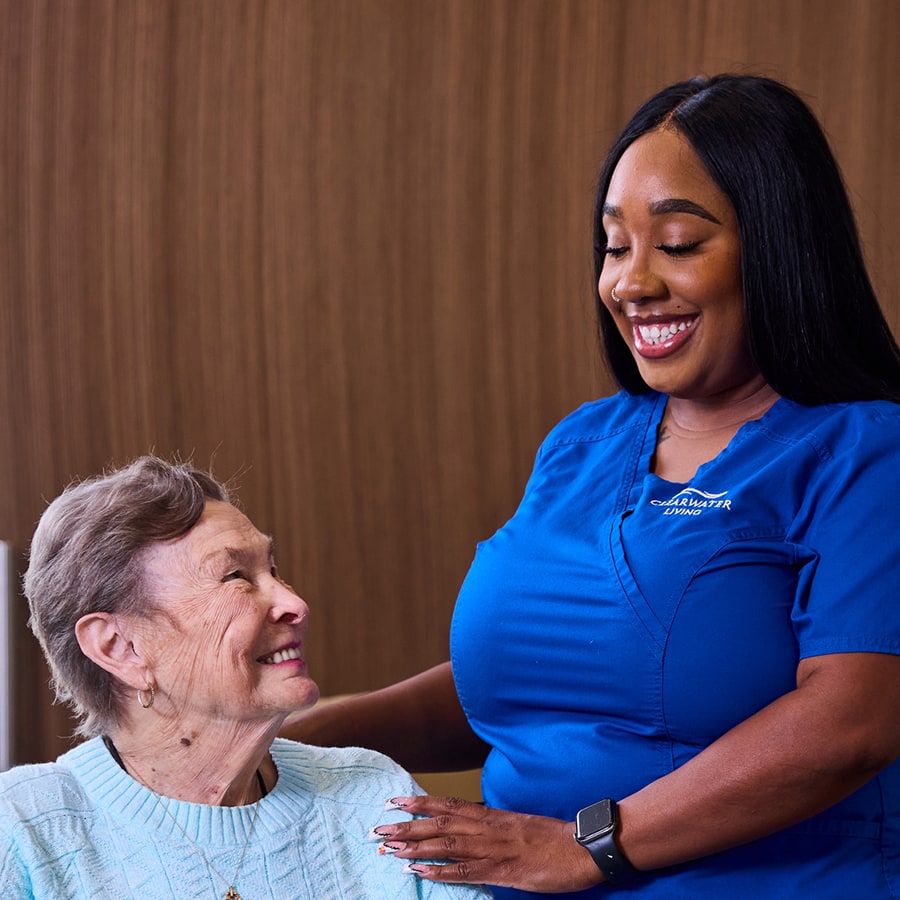
At Clearwater Newport Beach, residents can explore wellness programs that reflect their interests and goals, with support from a team that knows them by name. Reach out today to schedule a visit and explore what everyday wellness can look like.