

Key Takeaways
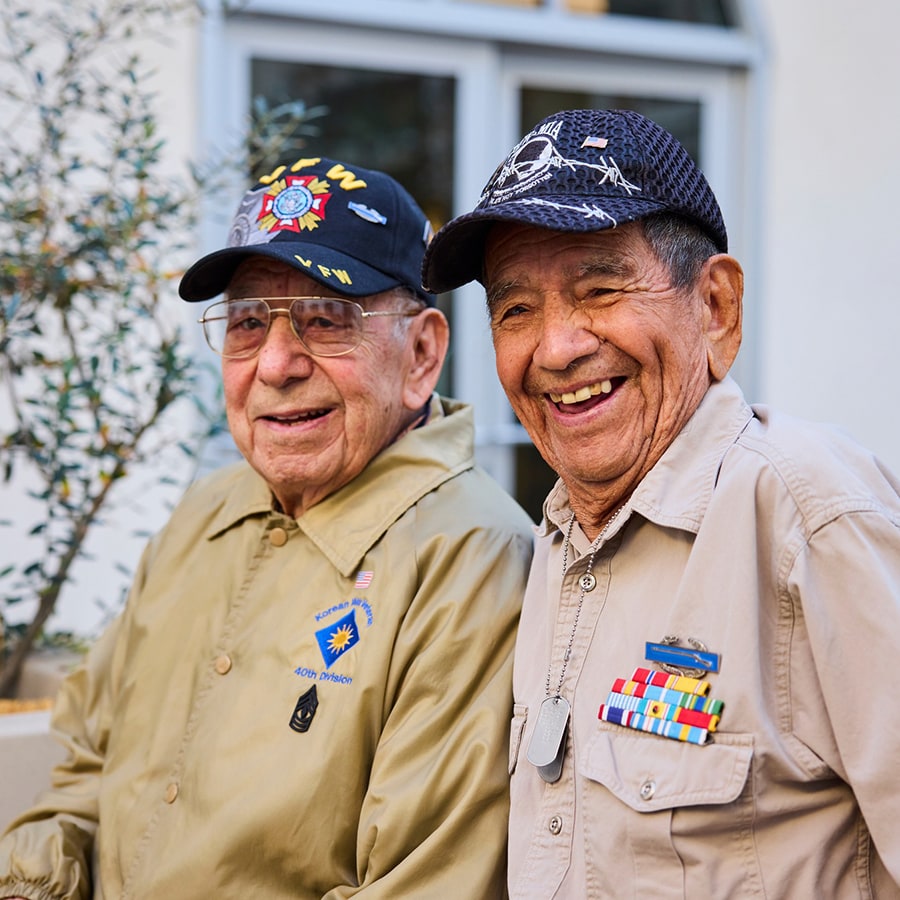
- Family, friendships, and other close relationships can support senior emotional health by providing belonging, reassurance, purpose, and regular social interaction.
- Withdrawal from family, friends, hobbies, or usual routines can signal a need for more social connection.
- Frequent comments about loneliness or boredom can help families recognize changes in an older loved one’s daily experience.
- Regular calls, familiar traditions, photos, and everyday updates can maintain close relationships across long distances.
- A broader social circle can complement family support and provide more opportunities for companionship and engagement.
The Importance of Close Bonds for Older Adults
Family relationships can take on new importance as a parent or loved one grows older. Retirement, changing mobility, the loss of longtime friends, or living farther from family can reshape a once-familiar social life. Staying connected gives older adults people to talk with, enjoy experiences with, and turn to during times of change. It plays an important role in overall well-being.
And since September is Healthy Aging Month, there’s no better time to consider the relationships and everyday experiences that support your loved one’s well-being. Family and friends connections can support senior emotional health by providing a familiar sense of belonging, reassurance, and purpose.
Regular conversations and time together also give older adults opportunities to stay involved in a loved one’s life without making every interaction about their health or changing needs.
These relationships remain valuable even as routines, abilities, and circumstances evolve. Family can be an important source of support, while relatives, friends, neighbors, and other trusted people can provide the same comfort, belonging, and purpose. Community life also offers natural opportunities to form friendships and family-like bonds.
How Close Connections Support Senior Emotional Health
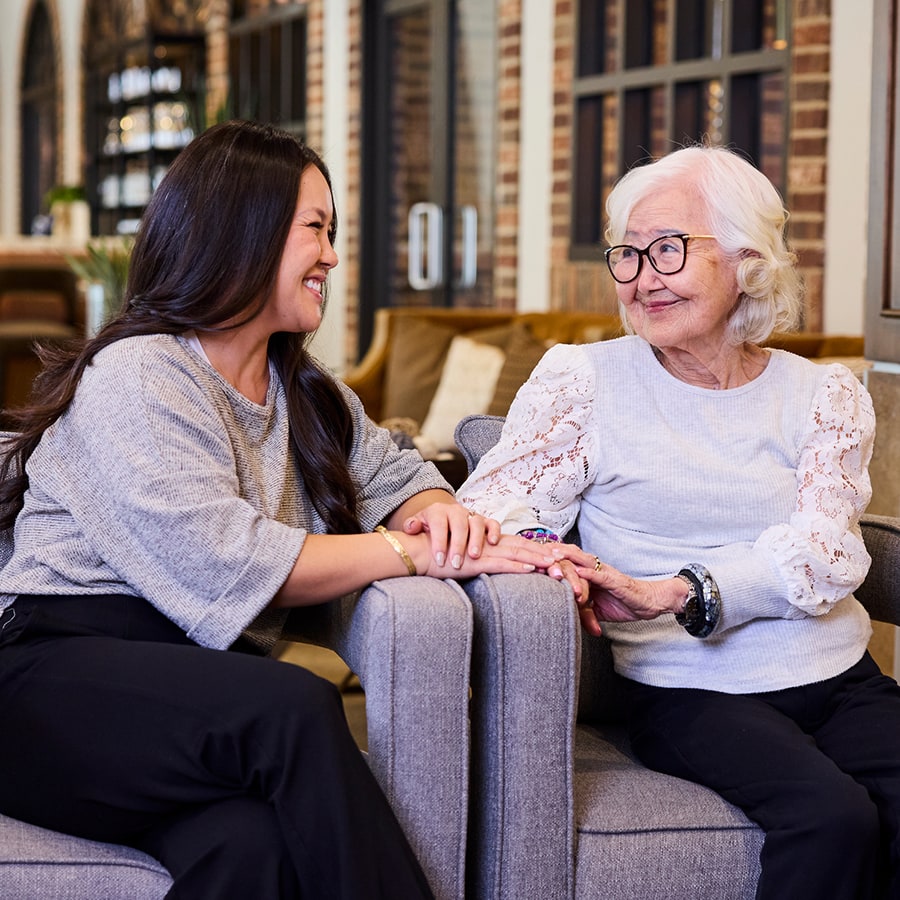
Close relationships provide more than companionship. Conversations with family members, friends, neighbors, and other trusted people can offer emotional support while keeping older adults engaged with the people and events that matter to them. Familiar voices, common history, and regular contact can help an older adult continue to feel connected to the life and relationships they value.
That bond doesn’t depend on seeing one another every day. A phone call from an adult child, photos from a grandchild, or a conversation about an upcoming family event can maintain closeness across cities or states. What matters is creating room for the person to remain an active part of family life.
Signs an Older Loved One Needs More Social Connection
Social needs can change gradually, so families may notice small differences before a loved one ever says they feel lonely. A single change doesn’t necessarily indicate a problem, but ongoing shifts in routines, relationships, and interests deserve attention.
Withdrawing from Family and Friends
A parent who regularly answered calls or looked forward to visits may begin turning down opportunities to connect. They might also participate less in family conversations or stop reaching out to longtime friends. A sustained change from their usual social habits can be worth discussing with them.
Losing Interest in Favorite Activities
Hobbies and activities often provide social interaction alongside personal enjoyment. If an older loved one stops attending a weekly group, faith gathering, class, or favorite outing, their opportunities to meet others may shrink as well.
Talking More Often About Loneliness or Boredom
Comments about having no one to talk to, rarely going anywhere, or having little to look forward to can offer a direct window into a loved one’s daily experience. Rather than dismissing these remarks as part of aging, families can use them to start a broader conversation about what might make everyday life feel more engaging.
Relying on One Person for Most Social Interaction
Family support is valuable, but one spouse, adult child, or caregiver doesn’t have to provide an older adult’s entire social world. A broader circle of friends, neighbors, family members, and community connections can create more variety in daily life. It also gives an older adult relationships that reflect different interests and parts of their identity.
How to Build More Connection Into Everyday Life
Meaningful relationships don’t require elaborate plans or constant visits. Small, consistent interactions can keep an older loved one involved in family life, including when distance makes in-person time less frequent.
Create a Consistent Communication Routine
Regular phone or video calls can provide something familiar to look forward to without making communication feel like a formal check-in. With the right plan, your family can find a rhythm that works for everyone, whether that means a weekly video call, quick conversations throughout the week, or a lively family group chat.
Keep Family Traditions Going
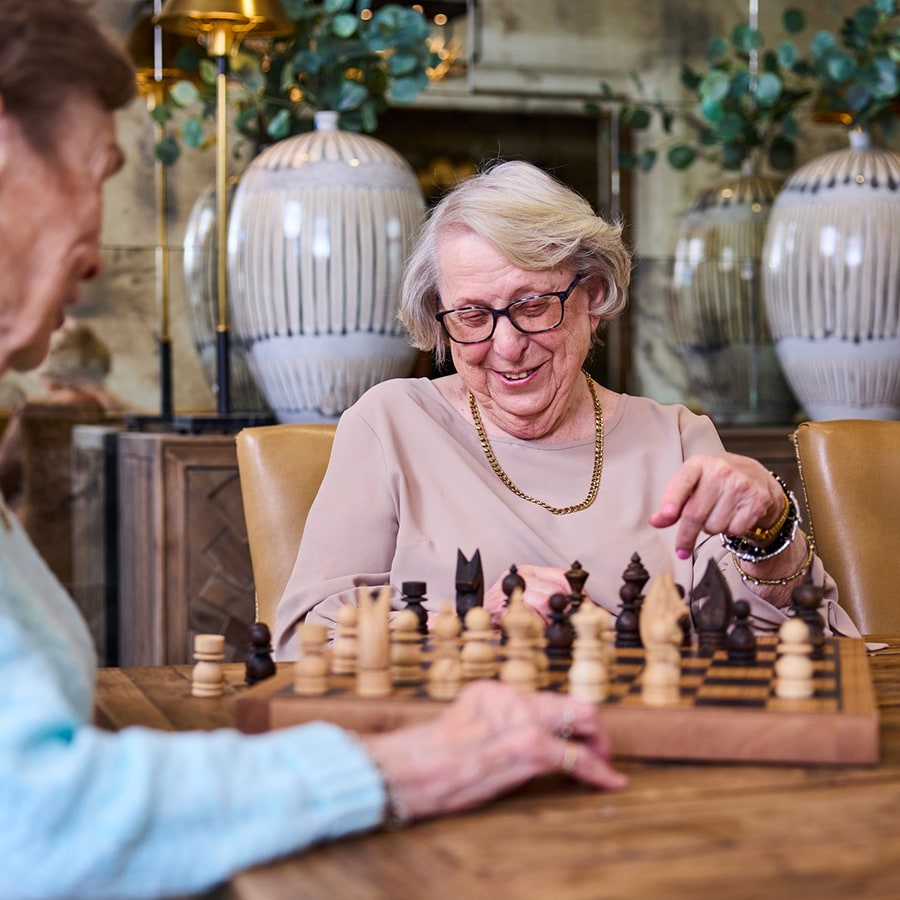
Traditions create natural reasons to spend time together and maintain a sense of continuity. Listening to favorite music together, holiday routines, games, celebrations, and even a television show watched together can be adapted as circumstances change. These can help your loved one participate, even if your family is separated by distance.
Stay Connected Through Everyday Moments
Not every conversation needs an occasion. Sending photos, talking about a loved one’s day, asking for an opinion, or telling a funny story from the week keeps an older loved one connected to ordinary family life. These everyday exchanges reinforce that their perspective and presence still have a place in the family.
How Senior Living Can Strengthen a Support System
Family relationships remain important after a move to senior living, but they no longer have to provide every opportunity for conversation, activity, and companionship. An engaging community can add another layer of connection through neighbors, team members, activities, and spaces where families can comfortably spend time together.
At Clearwater Newport Beach, that can include:
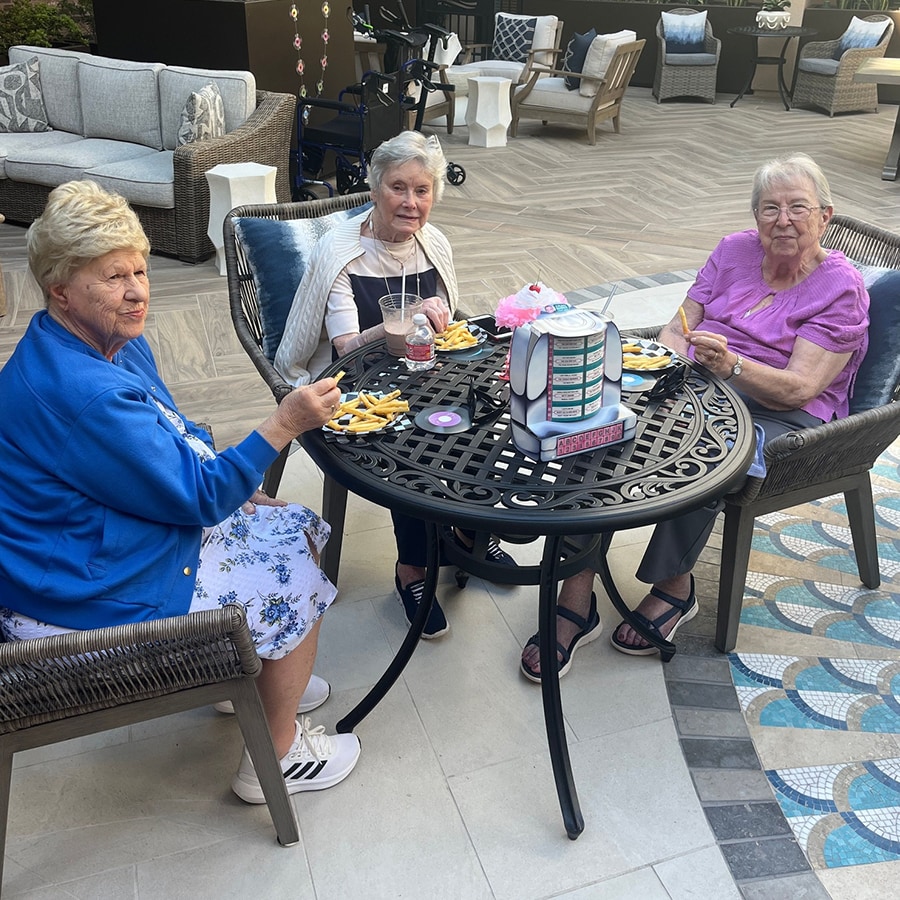
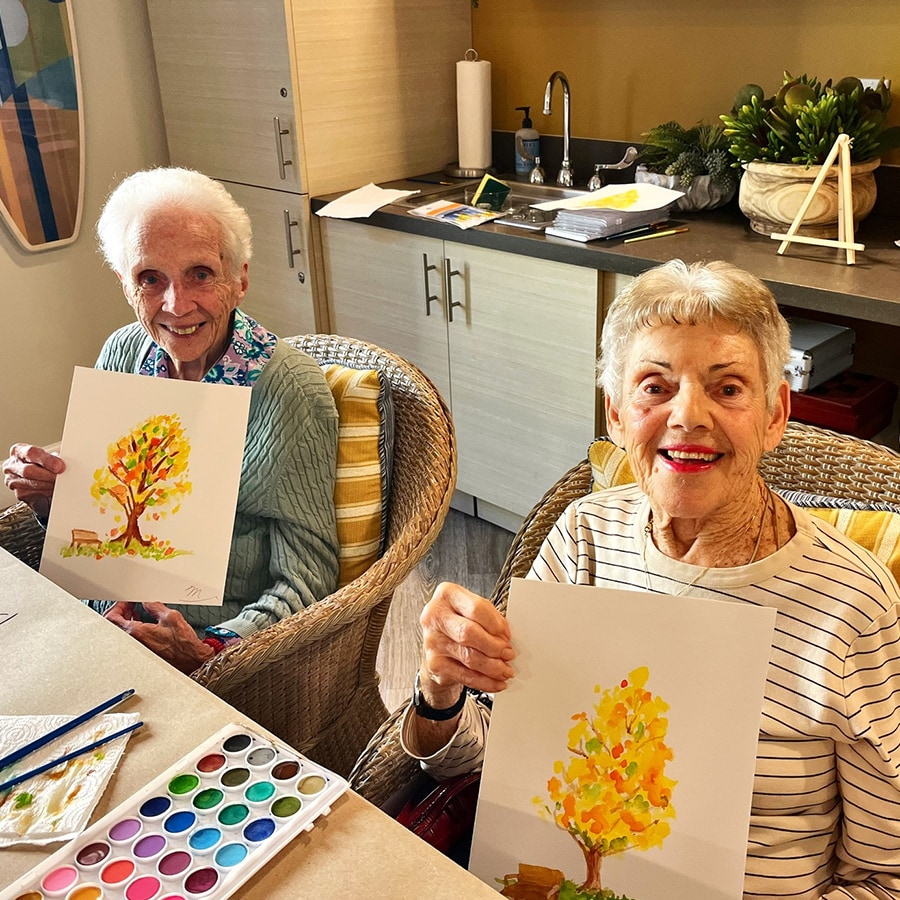
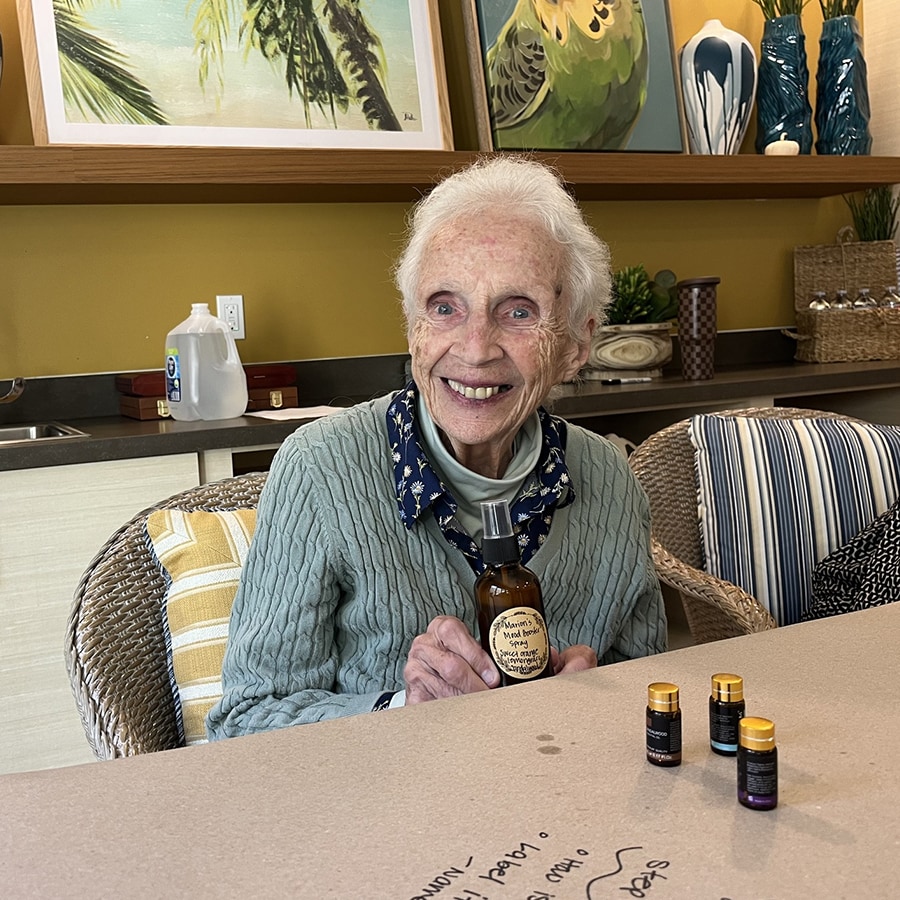
- Social programs, events, and experiences built around varied interests
- Welcoming common spaces where residents can visit with family and friends
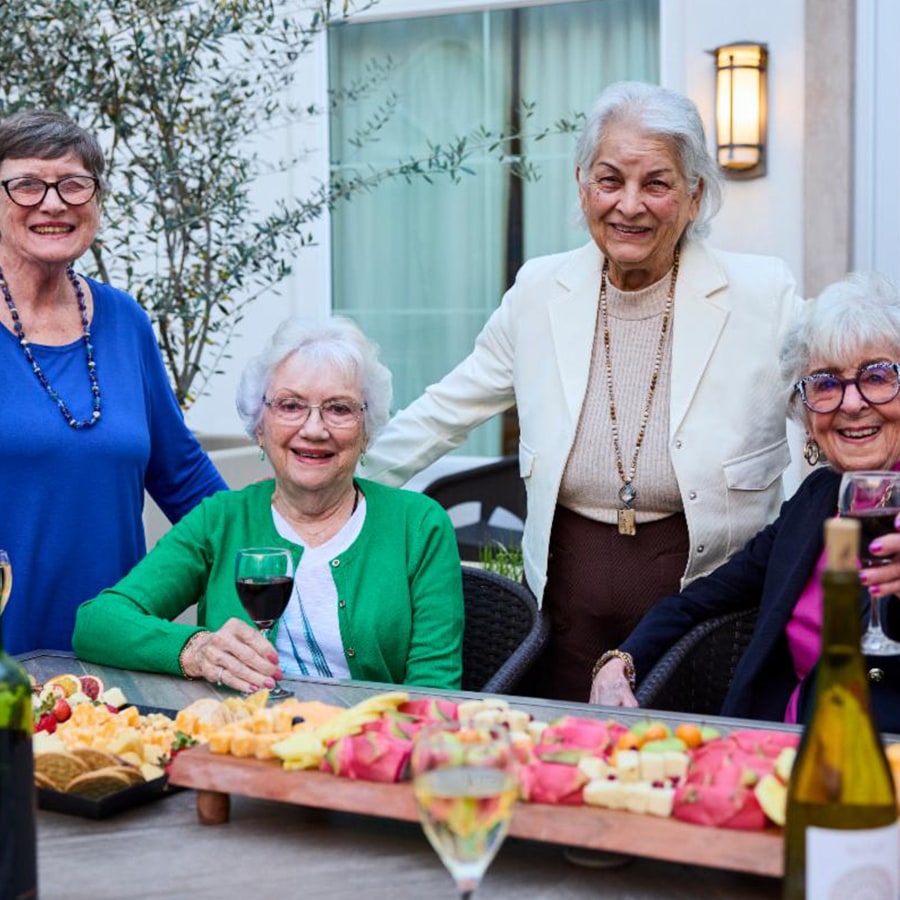
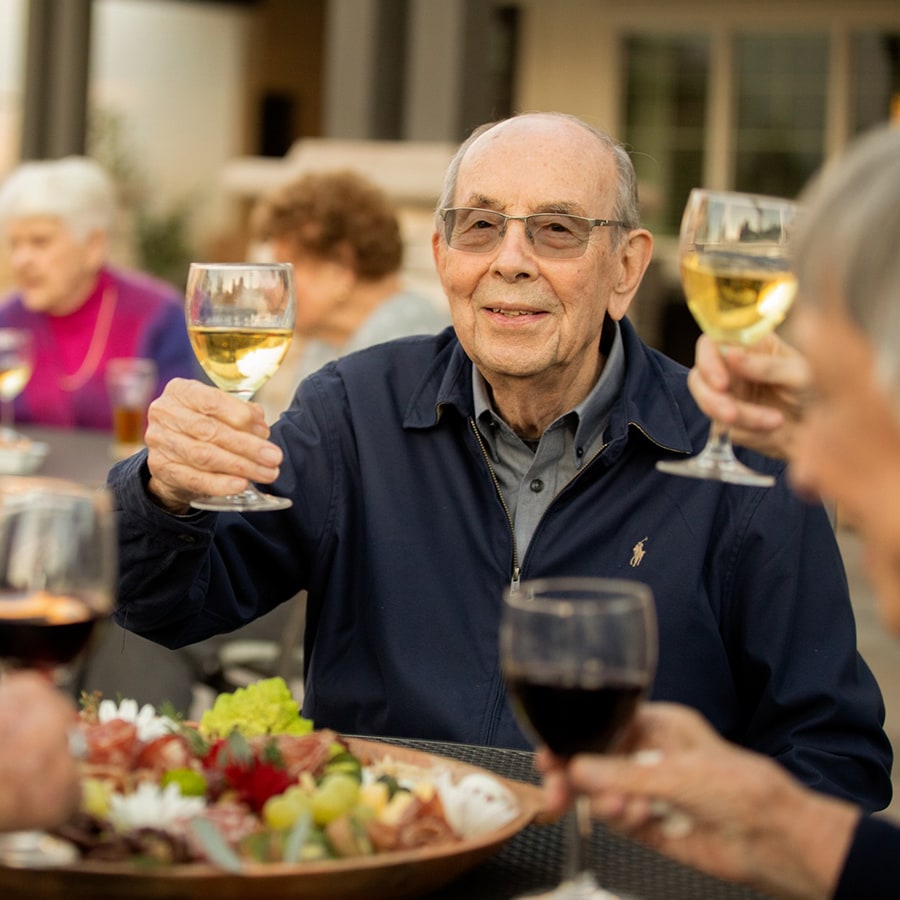
- Restaurant-style dining with opportunities to gather around the table
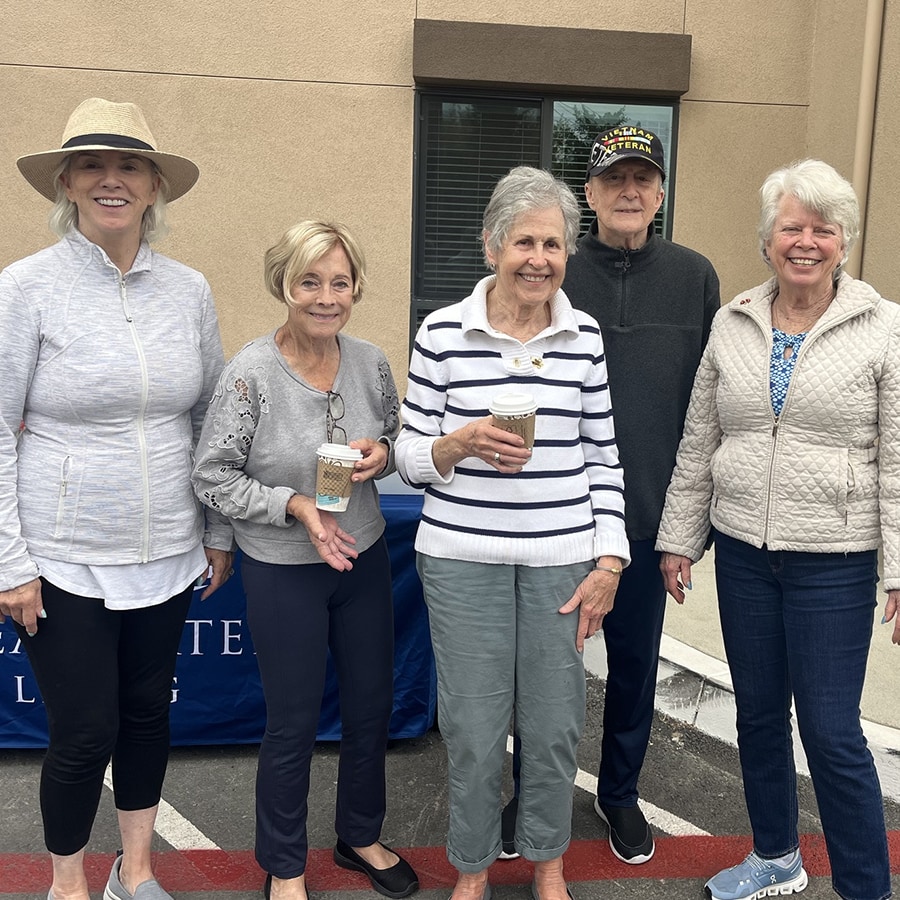
- Daily opportunities to meet neighbors and develop new friendships
These experiences give residents choices in how they spend their time and who they spend it with. For families, that means visits can remain centered on the relationship itself while their loved one has opportunities for companionship throughout the rest of the week.
Our vibrant community creates opportunities to connect, participate, and spend each day with greater choice and purpose. Schedule a tour of Clearwater Newport Beach today to experience our community firsthand.